The History of Cheese Pizza From Italy to Today
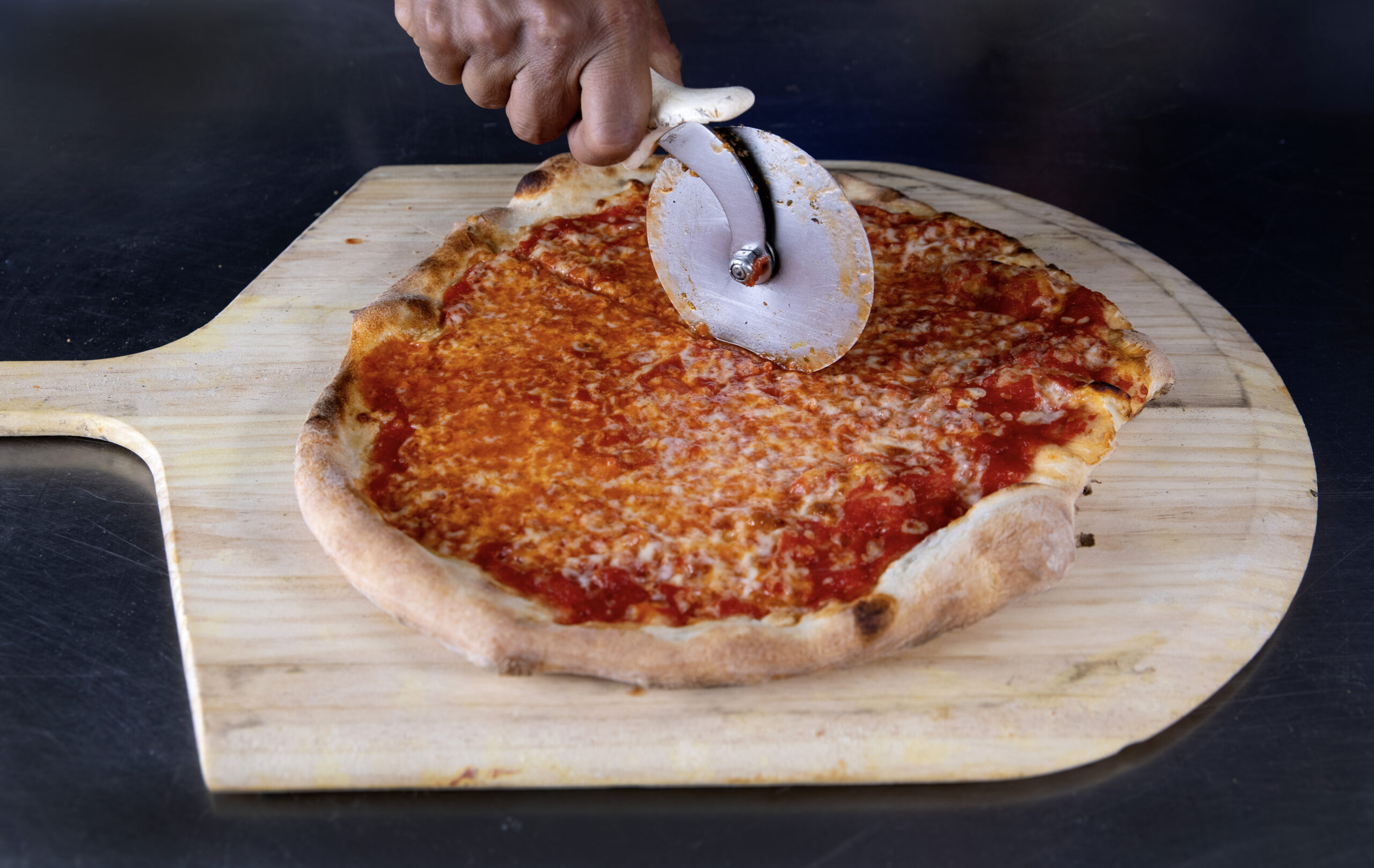
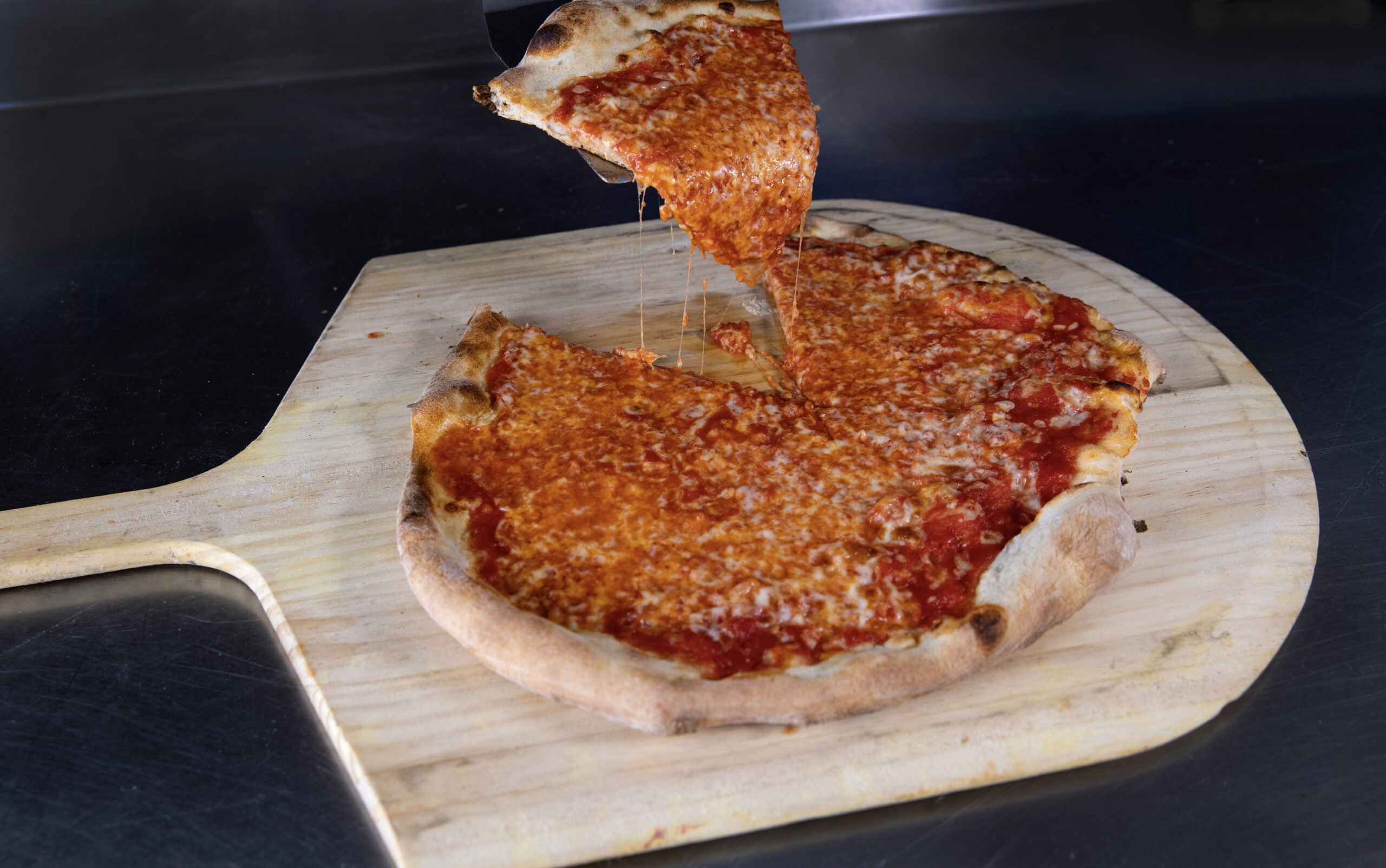
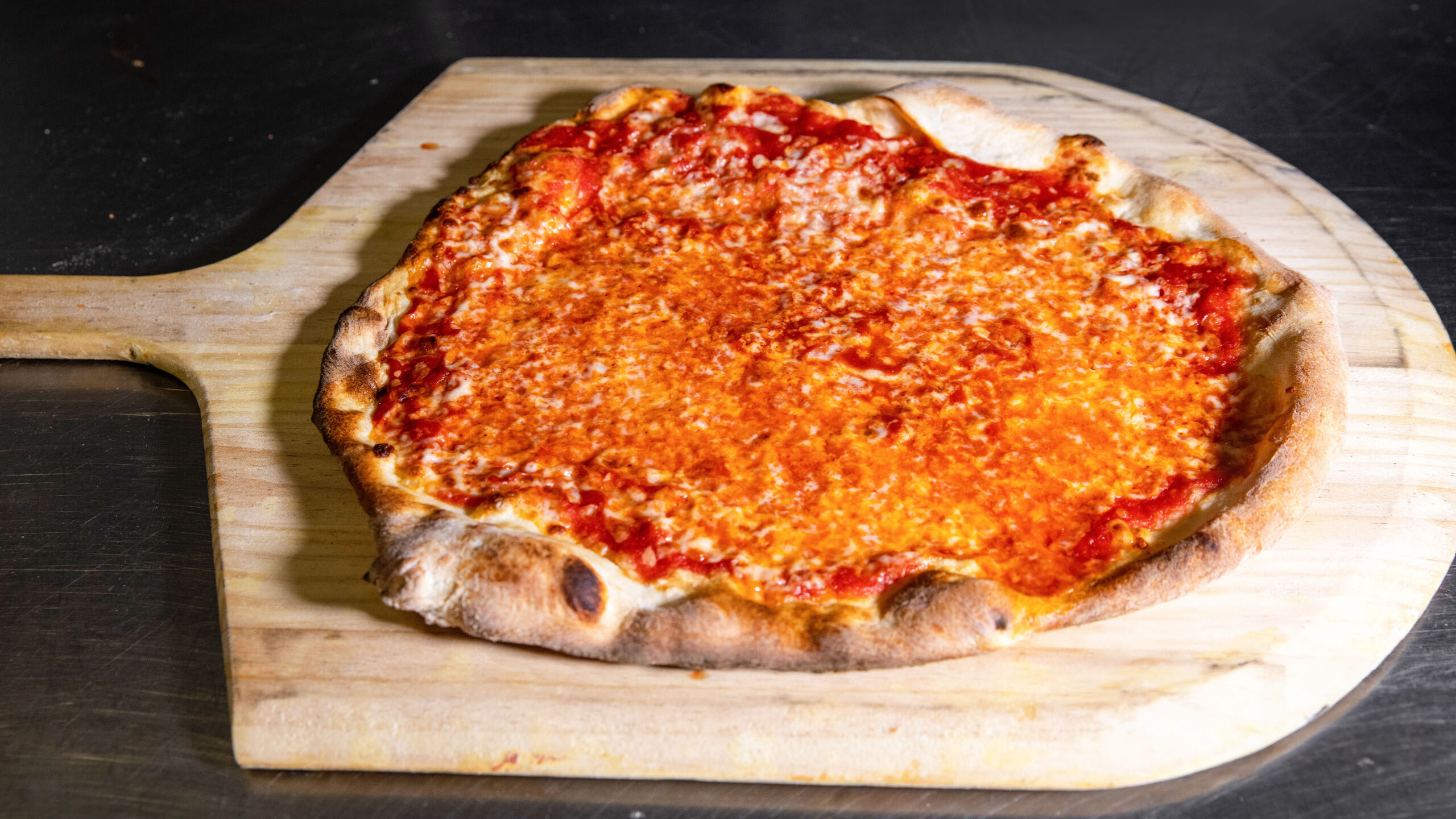
Cheese pizza looks simple enough to hide its own history. A round of dough, a layer of tomatoes, cheese, heat. Yet behind that modest formula sits a long story about poverty, migration, urban life, industrial food systems, and changing taste. The version most people recognize today did not appear all at once, and it did not travel unchanged. It was shaped in Naples, reinterpreted in New York and New Jersey, stretched into sheet pans in the Midwest, sold by the slice in city storefronts, frozen in supermarket aisles, and revived by modern artisans who prize slow fermentation and blistered crusts.
That long journey matters because cheese pizza is often treated as the baseline, the plain option, the thing ordered when no one can agree on toppings. In practice, it is the purest test of a pizzeria’s skill. With nowhere to hide, the dough, sauce, cheese, and bake all have to work in balance. A badly made cheese pizza feels heavy, greasy, or dull. A good one tastes complete in a way that seems almost effortless.
Before pizza was pizza
Flatbreads topped with flavorful ingredients are much older than modern pizza. The ancient Mediterranean world had many versions of baked dough eaten plain or dressed with oil, herbs, and cheese. Romans ate forms of flatbread, and across southern Italy there were long traditions of simple oven baking. None of those dishes, however, was quite the pizza most people mean today.
The crucial setting was Naples, especially from the 17th through the 19th centuries. Naples was a crowded port city, vibrant and poor in equal measure. It held merchants, laborers, sailors, street sellers, and a large working population that needed filling food at low cost. In that environment, flatbread evolved from a general peasant staple into a recognizable urban street food.
Early Neapolitan pizzas were not standardized. They could be seasoned with lard, garlic, anchovies, small fish, basil, caciocavallo, and at times cheese that varied by region and household means. The arrival and gradual acceptance of the tomato was decisive. Tomatoes came to Europe from the Americas in the 16th century, but it took time for them to move from suspicion into regular cooking. By the 18th century, tomatoes had become firmly rooted in southern Italian foodways, especially among people who needed inexpensive, flavorful ingredients. Once tomato met baked dough in Naples, pizza started to take on its modern identity.
Cheese entered this story not as a decorative extra but as a practical and flavorful companion. Southern Italian cheeses, including forms made from cow’s milk and buffalo milk, had texture, salt, and meltability that could stand up to a hot oven. The now-famous use of mozzarella was part of a broader regional cheese culture rather than a single dramatic invention.
Naples and the rise of a dish with a name
By the 18th and 19th centuries, pizza in Naples was visible enough that travelers wrote about it. Some admired it. Others looked down on it as rough food for the poor. Those reactions tell you something important. Pizza was not born as elite cuisine. It belonged to workers, street life, and practical eating. Vendors sold it outdoors, and bakeries made it for everyday customers. It was cheap, fast, and satisfying, the kind of food you could fold and eat without ceremony.
The classic Neapolitan pairing of tomato, mozzarella, and basil is often linked to the late 19th century and the well-known story of a pizza made in honor of Queen Margherita, with colors resembling the Italian flag. Historians still debate how much of that story is clean fact and how much is polished legend. What is clear is that by the late 1800s, pizzas with tomato and cheese were already established in Naples. The Margherita did not create cheese pizza from nothing. It helped formalize and popularize one of its finest expressions.
This is an important distinction. Food history often gets flattened into one origin myth because it makes for a better anecdote. Real culinary change is usually slower. Recipes gather shape through habit, neighborhood preference, ingredient availability, and the quiet authority of cooks who know what works. Cheese pizza developed that way. It became a classic because the combination was balanced, not because a single moment crowned it.
Traditional Neapolitan pizza also established several technical habits that still matter. The dough was typically made from finely milled wheat flour, water, Cheese Pizza salt, and yeast, then stretched by hand rather than rolled. The crust was thin in the center, with a raised edge that could puff in intense heat. The oven, fueled by wood, baked the pizza quickly at temperatures modern home ovens rarely reach. That short, fierce bake preserved the brightness of tomato and the freshness of mozzarella while creating a soft, elastic crumb beneath spotted charring. Good cheese pizza still depends on that same tension between moisture and fire.
Why mozzarella became central
Not every early pizza relied on mozzarella, and not every cheese behaves well on dough. Mozzarella earned its place because it melts into a cohesive layer without fully losing structure. It carries milk sweetness, mild acidity, and enough fat to enrich the tomato without burying it.
Fresh mozzarella, especially fior di latte made from cow’s milk or mozzarella di bufala made from water buffalo milk, offers a clean dairy flavor and beautiful texture, but it also contains significant moisture. In a very hot oven with a practiced hand, that moisture can be an asset, lending softness and creamy pockets. In cooler ovens or with excessive topping, it can create a wet center. This is one reason pizza changed when it left Naples. The cheese had to adapt to new climates, new ovens, longer transport, and different customer expectations.
Low-moisture mozzarella, which became standard in much of the United States, solved several practical problems at once. It shredded easily, stored well, melted evenly, and browned in a way that many American diners came to love. If you have ever seen a classic New York slice stretch into long white strands with spots of golden blistering, you are looking at the outcome of that adaptation. It is still cheese pizza, but it is not simply Neapolitan pizza copied overseas. It is a separate branch of the family.
Immigration carried pizza across the Atlantic
Large waves of Italian immigration in the late 19th and early 20th centuries brought pizza to the United States, especially to Northeastern cities. The earliest customers were often fellow immigrants who already knew the dish. Over time, the audience broadened. New Yorkers, Bostonians, Philadelphians, and others developed a taste for it, first in ethnic enclaves and then far beyond them.
One of the best-known landmarks in American pizza history is Lombardi’s in New York, often cited as the country’s first licensed pizzeria in the early 20th century. Whether every claim surrounding “firsts” survives strict scrutiny is less important than the broader pattern. Pizza gained a foothold in urban immigrant neighborhoods and then expanded through commercial success. Coal ovens, available ingredients, and the economics of city food service changed the product. American cheese pizza was becoming its own thing.
At this stage, cheese pizza was still not necessarily the universal default. In some shops, tomato pies with little or no cheese remained common. In others, grated hard cheese, sliced mozzarella, or mixed cheeses appeared in varying amounts. Regional habits diverged quickly. That divergence is one reason any serious history of cheese pizza has to resist the temptation to tell a single, neat story.
The American slice and the new logic of cheese
If Naples gave pizza its soul, New York gave it a new scale. The American city slice depended on dough that could be made in quantity, baked in large ovens, cut quickly, and reheated for rush periods without collapsing. Cheese played a structural role as much as a flavor role. It helped bind the sauce, shielded the crust from sogginess, and gave visual appeal behind the glass counter.
By the mid-20th century, cheese pizza had become one of the defining forms of urban American casual food. Students ate it folded on sidewalks. Office workers grabbed it for lunch. Families ordered whole pies for weekends. It fit a culture that valued speed without wanting fully industrial anonymity. A neighborhood pizzeria could still carry local identity, even if the product was standardized enough to travel well.
World War II also mattered. American soldiers exposed to Italian food overseas returned with broader familiarity, and postwar prosperity expanded restaurant culture. Pizza moved from immigrant districts into the mainstream. Once that happened, cheese pizza started to occupy a special place. It was accessible to children, vegetarians, and cautious eaters. It also functioned as the reference point against which toppings were judged. Ask experienced pizza makers what they notice first in another shop, and many will tell you they order plain cheese. Pepperoni can distract. Sausage can overpower. On a plain pie, there is no camouflage.
Regional America multiplied the style
As pizza spread across the United States, cheese pizza branched into a surprising number of regional forms. New York’s large, thin, foldable slice may be the most internationally recognized, but it is far from the only influential model.
In New Haven, the local style known as apizza developed a lean, charred crust and a restrained hand with mozzarella. In parts of New Jersey, tavern pies came out thinner and crisper, often cut into small squares, with the cheese layered in ways that encouraged edge-to-edge coverage. In Detroit, a rectangular pan pizza with caramelized cheese along the sides became iconic. In Chicago, people often think first of deep dish, but thin tavern-style pies cut into squares have probably served more weeknight cheese pizza in the region than tourist menus suggest. In St. Louis, Provel became central to local identity. Rhode Island maintained its own tomato pie traditions, proving that even in a nation that embraced cheese pizza, not every pizza needed much cheese at all.
These regional differences grew from ordinary realities: oven type, cheese supply, customer habits, and the economics of running a shop. A coal oven bakes differently from gas. Fresh mozzarella behaves differently from low-moisture blocks. A bar serving beer wants a pizza that holds up in small pieces. A lunch crowd wants fast slices. That is how food really evolves, by adapting to constraints rather than following theory.
Industrialization changed the flavor and the reach
The second half of the 20th century transformed cheese pizza through mass production. Refrigerated trucking, commercial cheese processing, chain restaurants, and frozen food technology turned what had once been a local craft into a national commodity. This democratized access. It also flattened some distinctions.
Processed mozzarella blends gave operators consistency and cost control. Conveyor ovens reduced labor variability. Standardized dough formulas made franchise expansion possible. Frozen cheese pizza entered supermarkets and home freezers, becoming a weeknight staple for families who might never visit a traditional pizzeria. For many people born after the 1960s, their earliest memory of cheese pizza came from a box, a school cafeteria tray, or a chain delivery pie.
It is easy to romanticize the pre-industrial period and dismiss everything that followed. That would miss the full picture. Chains and frozen pizzas did dilute certain local styles, but they also cemented pizza as one of the most familiar foods in modern life. They made cheese pizza part of birthday parties, dorm rooms, sports nights, and office lunches. They spread the category so widely that later artisan revivals had an enormous public to work with.
Still, industrialization brought trade-offs that serious pizza makers know well. A cheese blend designed for shelf stability may melt uniformly but taste flat. Sugar and oil in dough can improve predictability but reduce subtle wheat character. Heavy cheese coverage can satisfy customers seeking value while muting the interplay between crust and sauce. There is no single right answer, but every choice leaves a fingerprint.
What “plain” reveals about craft
Among professionals, cheese pizza is often the benchmark because it tests judgment at every stage. The dough has to ferment long enough to develop flavor but not so long that it weakens. The sauce must be seasoned but not cooked into dullness. The cheese needs the right moisture, salt, and quantity. Even the order of application changes the result. Put the cheese under the sauce, as some regional traditions do, and you get a different bake, a different aroma, and a different kind of slice integrity.
A few details separate a memorable cheese pizza from an average one:
First, balance matters more than abundance. Many disappointing pies simply carry too much cheese. The slice looks generous but eats heavy, and the crust disappears under fat and protein.
Second, the tomato has to remain present. Good cheese pizza is not cheese plus red paste. It is a conversation between acidity and dairy richness.
Third, the bake has to match the style. A Neapolitan pie wants brief, intense heat. A New York pie needs enough time to set the cheese and crisp the base while keeping flexibility. A Detroit pie benefits from edge caramelization that would count as overdone in another context.
These sound like technical points, but they shape the emotional experience of eating. The best cheese pizza tastes complete, not busy. It does not beg for ranch dressing, chili flakes, or extra toppings to justify itself.
The artisan revival returned to the roots, but not only the roots
From the late 20th century into the 21st, many bakers and chefs revisited older methods. They pursued naturally leavened doughs, higher hydration, imported flour, long fermentation, and wood-fired ovens. Some aimed for strict Neapolitan standards. Others treated tradition as a starting point rather than a rulebook.
This revival did two useful things. It restored respect for technique, and it reminded diners that cheese pizza could have nuance. A pie with properly fermented dough, bright crushed tomatoes, and high-quality mozzarella tastes radically different from a generic delivery pizza, even when the toppings sound nearly identical.
At the same time, the revival sometimes drifted into dogma. Authenticity became a marketing term, and not every region needed to imitate Naples to produce excellent pizza. Some of the strongest modern shops honor local style while improving fundamentals. They source better cheese, refine fermentation, and bake with greater precision without pretending they are on a side street in Campania.
That flexibility reflects the real history of cheese pizza. It has always changed. What matters is not frozen authenticity but coherence. Does the dough suit the oven? Does the cheese fit the moisture level of the sauce? Does the final pie express a style with confidence? Those are better questions than whether every ingredient follows one geographic script.
Cheese pizza in the present tense
Today, cheese pizza exists at every level of the food economy. It is sold in airport terminals and Michelin-recognized dining rooms, in gas station warmers and neighborhood institutions that have survived for decades. It remains one of the few foods that can be a child’s comfort meal, a late-night street purchase, and a serious craft object all at once.
Consumer taste has broadened. Some diners seek the leopard-spotted crust of a wood-fired Neapolitan pie. Others want the familiar pull of low-moisture mozzarella on a big city slice. Gluten-free crusts, vegan cheeses, and alternative grains have entered the market, not always convincingly, but often with real technical improvement compared with early attempts. Even these newer forms belong to the long pattern of adaptation. Pizza has always responded to who is eating and what ingredients are available.
Cheese itself has diversified too. While mozzarella still dominates, many pizzerias now blend provolone, pecorino, parmesan, scamorza, fontina, or regional specialties to tune melt, browning, and flavor. Used carefully, those additions add depth. Used carelessly, they can muddy the pie. Experience usually teaches restraint. One reason classic cheese pizza endures is that its best versions are rarely overworked.
Why its history still matters
Understanding the history of cheese pizza changes how you taste it. You start to notice that every slice contains decisions inherited from somewhere. Is the cheese fresh or low-moisture? Is the crust soft, crisp, or pan-baked? Is the sauce bright and sparse, or sweet and thick? Those are not random house quirks. They are echoes of migration, technology, class, and place.
Cheese pizza also tells a larger story about how humble foods travel. It began as practical fare in Naples, tied to labor and street commerce. It crossed oceans with immigrants. It entered mass culture through industry and convenience. It was later reclaimed by craftspeople who insisted that simple food could still be exacting. Few dishes show that full arc so clearly.
That may be why cheese pizza remains so durable. It can absorb change without losing its identity. Strip away the noise, and the appeal is still elemental: fermented dough, tart tomato, melted cheese, intense heat. The formula is forgiving enough to survive adaptation and strict enough to expose weakness. That is a rare combination in food.
From Italy to today, cheese pizza has never really been plain. It has been foundational, adaptable, and revealing. Every era has left a mark on it, and every good pizzeria still answers the same old question in its own way: how much flavor, texture, and satisfaction can be drawn from dough, tomato, and cheese alone?
Brooklyn Pizza
1647 Arapahoe Ave
Boulder, CO 80302
+1 720-328-2324
FAQ About Cheese Pizza
What type of cheese is used on a cheese pizza in Boulder, CO?
The cheese varies by pizzeria. Brooklyn Pizza uses whole-milk mozzarella made in-house on its standard pies and offers a plant-based cheese option for vegan pizza. Ask the shop directly about ingredients if you have a dietary restriction.
How many slices are in a large pizza in Boulder, CO?
Slice count depends on how the shop cuts the pie. Brooklyn Pizza lists a 16-inch large pizza. If you are ordering for a group, call to confirm the number of slices or ask whether a smaller cut is available.
What is New York style pizza in Boulder, CO?
New York-style pizza usually has a thin crust and wide slices that can be folded. A classic cheese slice pairs tomato sauce with mozzarella. Brooklyn Pizza serves New York-style pizza by the slice and as whole pies.